Heroin Addiction
Trusted Heroin Rehab Program
Heroin comes from morphine, an opioid compound sourced from poppy plants, and depending on how it’s processed it may look like a powder in shades of white or brown, or take on the darker, tar-like consistency that gives black tar heroin its name. Few substances hook the brain as powerfully — the euphoric surge it delivers reshapes the reward system in short order, and someone can find themselves tolerant and dependent after a surprisingly brief stretch of use. A large share of people who use heroin started out misusing prescription painkillers, and because fentanyl now runs through so much of the illegal supply, any given dose could turn deadly without warning. Depression, anxiety, past trauma and other substance use often travel with heroin addiction, making a careful initial evaluation essential. Addiction was never anyone’s plan — heroin addiction is a medical condition that responds to real treatment, and recovery is far more attainable with professional support behind it.

Common Signs and Symptoms
Common Signs and Symptoms
- Drifting off to sleep at strange moments or mid-sentence
- Pupils shrunk down to pinpoints
- Marks or bruises on the arms, frequently covered by clothing
- Syringes, scorched spoons or similar items turning up
- Getting violently ill — shaking, vomiting, aching — when a dose is missed
- Dramatic weight loss or a slipping sense of self-care
- Money vanishing or being borrowed with vague excuses
- Pulling away from loved ones and long-held routines
- Sleep schedules turned completely upside down
- Dishonesty about where they've been or what they're doing
- Persisting with use while health, legal or work problems pile on
- Cravings so consuming that little else seems to matter

Levels of Care We Offer
The crash of heroin withdrawal arrives quickly and pulls hard toward relapse, so choosing the correct level of behavioral health care starts with understanding how entrenched the addiction is and what else is going on.
Options we can arrange include:
- Heroin detox — clearing heroin from the system is a medical process; we place this stage in the hands of a trusted partner while our own team readies the next steps.
- Inpatient/residential treatment — when recovery calls for supervision around the clock at the start, a trusted partner delivers that care and we tie it into the treatment that follows.
- Partial hospitalization program (PHP) — structured therapy filling most of the day, balanced with evenings back at home.
- Medication-assisted treatment (MAT) — buprenorphine, methadone or naltrexone prescribed by our own providers and combined with addiction counseling to steady cravings and defend against relapse.
- Intensive outpatient program (IOP) — a recurring weekly schedule of sessions designed to coexist with jobs, school and family demands.
- Heroin outpatient program — dependable ongoing counseling and relapse-prevention work that continues well past the intensive stages.
Why Early Heroin Addiction Treatment Matters
The longer heroin use goes on, the steeper the danger climbs — especially now that fentanyl hides undetected in so much of what’s sold, turning any single purchase into a potential fatal overdose. Early action carries a second layer of protection as well: tolerance drops fast during any pause in use, meaning a relapse at the old amount becomes far deadlier than before. Anyone who suspects a heroin overdose should get 911 on the phone instantly and administer naloxone if it’s accessible, since it can bring back suppressed breathing long enough for paramedics to take over. With this particular drug, spotting trouble early and involving a medical or behavioral health professional quickly can quite literally save a life.

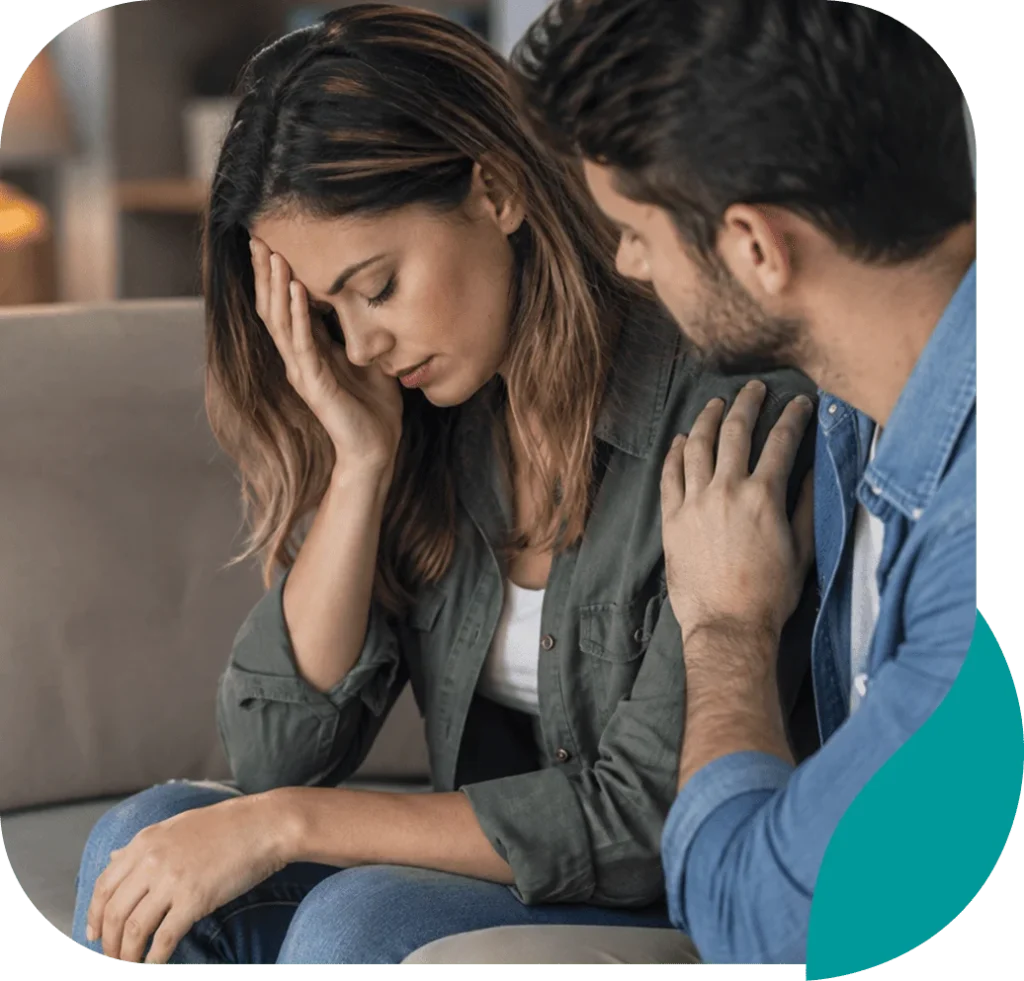
Supporting a Loved One
Standing by someone caught in heroin addiction tests every reserve of patience and hope a family has. Promises get broken, honesty becomes scarce, and it can feel like the drug has replaced the person you knew. The most powerful stance is compassion without enabling: name your concern directly, push toward professionally guided care rather than another solo quitting attempt, and never stop treating them as someone worth saving. Stock naloxone where it can be grabbed quickly and study the signs of overdose — that readiness protects them daily. Above all, know that guiding them into a heroin rehab program suited to who they are may accomplish what no amount of pleading ever could.
Frequently Asked Questions About Heroin Detox and Recovery
Heroin gets to the brain fast and locks onto opioid receptors, producing a wave of euphoria the reward system wasn’t built to handle. Adaptation happens quickly — larger amounts become necessary for the same feeling — and eventually the point of using stops being pleasure and becomes escaping withdrawal.
It’s the compulsive continuation of heroin use despite everything it destroys along the way — health, relationships, money, legal standing. Physical dependence rides along with it, which means any interruption in use triggers brutal withdrawal symptoms.
Call 911 before anything else, then give naloxone if it’s on hand — it can reverse the overdose temporarily and restart dangerously slowed breathing. Don’t leave them; if they’re unconscious, position them on their side, and repeat the naloxone if symptoms creep back before responders arrive.
Very often, and it’s the single most dangerous feature of the current supply. Fentanyl is exponentially more potent than heroin, completely invisible once blended in, and behind a huge portion of opioid deaths. No sight, smell or taste test can catch it.
That verdict belongs with a medical or behavioral health professional — but frankly, any heroin use at all in your life or a loved one’s justifies an evaluation. The risks with this drug escalate too fast for a wait-and-see approach.
It opens with medically managed withdrawal, handled by a trusted partner, then moves into one-on-one and group counseling with medication-assisted treatment layered in for most people. Where the situation demands more structure, residential care, a PHP or outpatient services become part of the picture.
Heroin Addiction Treatment in the Nashville TN Area
At Provive Wellness, no client fights heroin addiction alone — our team stays in their corner from the first call onward.
Breaking free from heroin is brutally hard alone and entirely possible with the right team. Contact us at 615-640-9994 to take the first step toward recovery, whether for yourself or someone you love. Our expert staff at our addiction clinic in Brentwood TN, proudly serving the greater Nashville TN area, will assess where things stand, place medically supervised detox with a trusted partner, and directly provide the rest of your heroin addiction treatment plan — individual sessions, therapeutic groups, medication-assisted treatment and additional evidence-based care — to carry your recovery forward!

The Provive Difference

PERSONALIZED CARE
We tailor all treatment to each individual’s needs. We ensure patients get results by using the latest evidence-based practices.

CARING STAFF
Our staff understands how challenging it is to overcome addiction, and focuses on providing support each step of the way.

HOLISTIC CARE
We take a holistic approach when it comes to recovery, as physical health involves the body, mind, and spirit.
Some Insurance Plans we work with include: